

Digital account
The University of Toulouse (UT) digital account provides access to a wide range of digital services.
The UT digital account requires a login and a password.
Each student’s digital account is automatically created as soon as they register at the university.
Other resources
- WI-FI
-
A wireless network, also known as Wi-Fi, is a digital computer network that connects different computers or systems to each other via radio waves. The wireless network is provided in addition to the wired network.
The «eduroam» Wi-Fi network - recommended and secure. The «ups» Wi-Fi network - unencrypted and limited use: Internet access on the university campus only Specialised and geographically located Wi-Fi networks: specific to particular departments (teaching or research), online exams, technical equipment, etc.
There are 3 types of Wi-Fi networks at the University of Toulouse:NB: If you are connecting to the "ups" Wi-Fi network from outside the UT network, you will need to add @univ-tlse3.fr to the end of your username NB: On the wizard download page, you must enter "UT" or select "Université de Toulouse" as your home institution
For “ups” Wi-Fi access: you will need to log in to the captive portal (displayed automatically)You must activate your UT digital account
NB: All new students must activate their UT digital account
For “eduroam” Wi-Fi access: you will need to download the geteduroam configuration wizard or, failing that, the cateduroam wizard
Scuio-ip
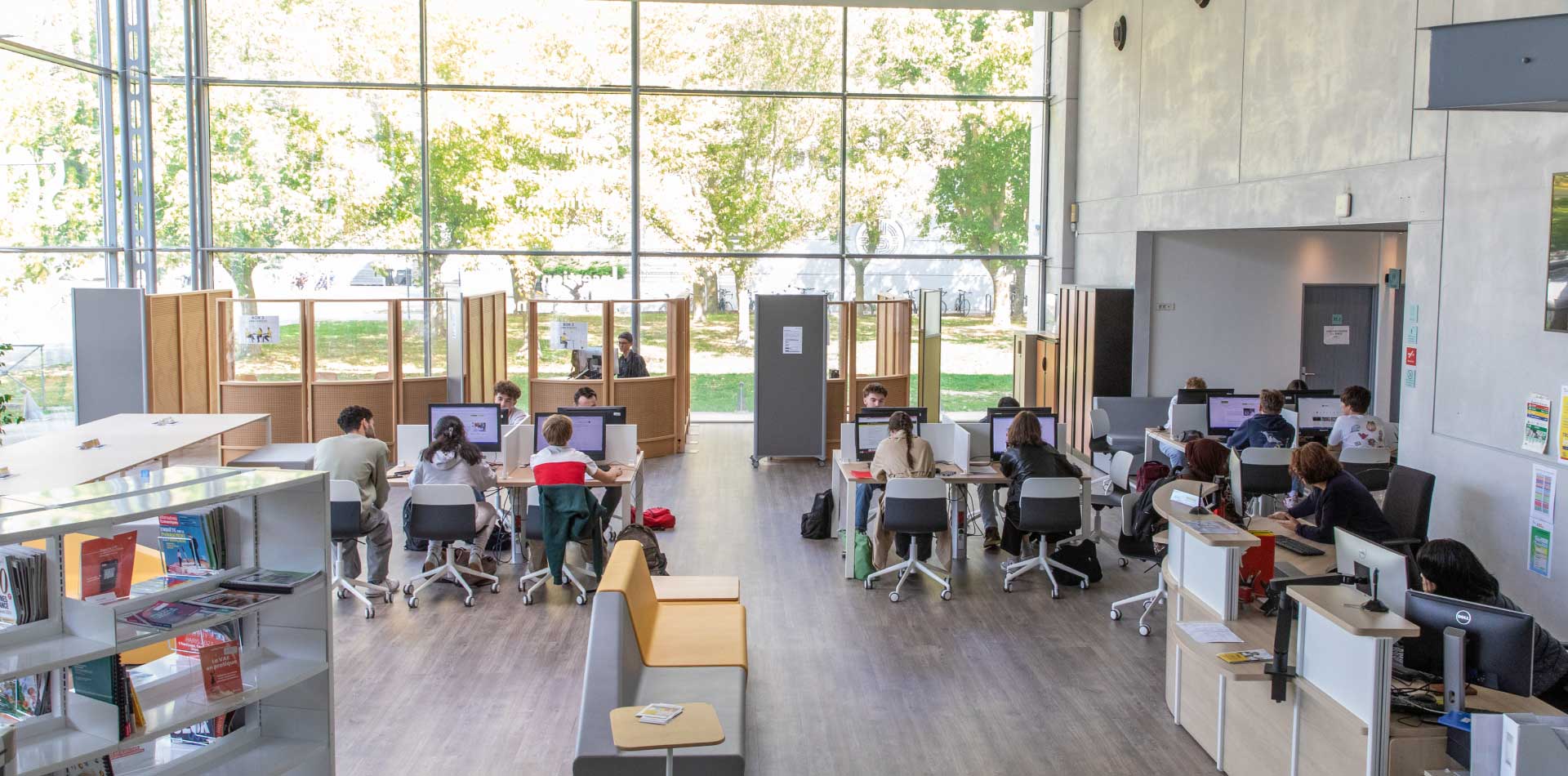
Libraries
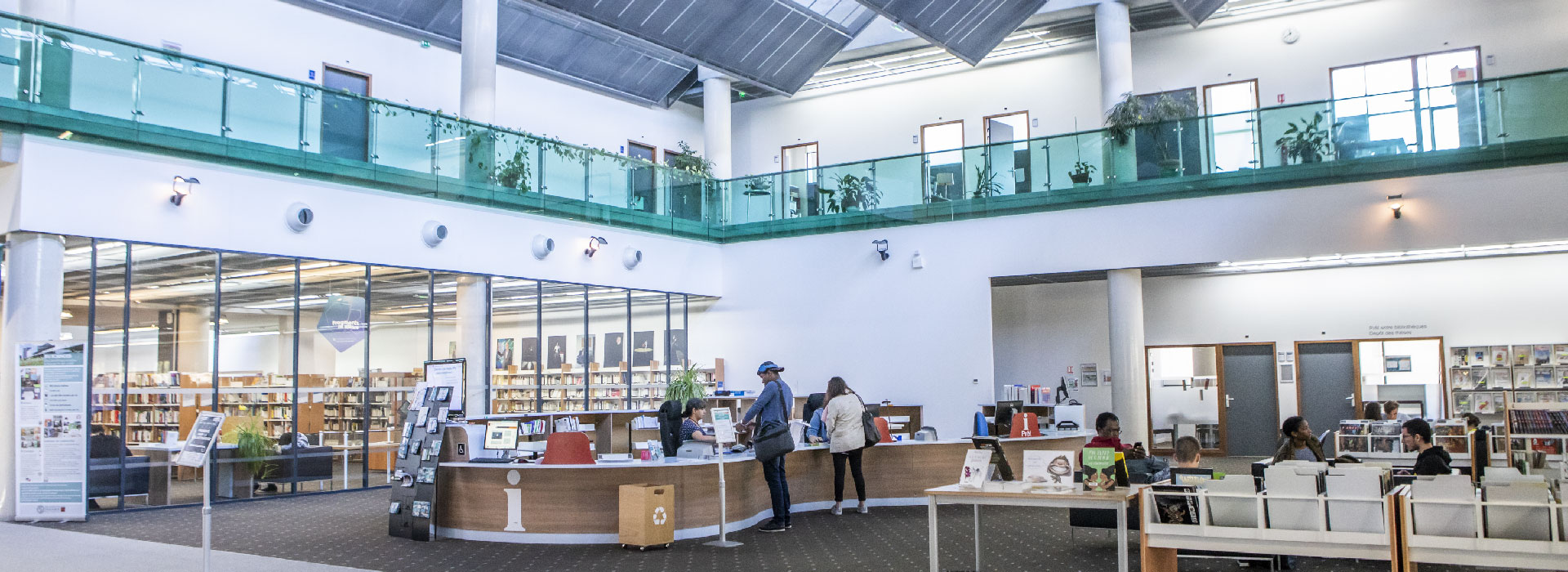
- On site: document browsing and lending, work spaces, group work rooms, reading and relaxation areas, meeting rooms, help with document research, training courses and workshops, printing and photocopying facilities, exhibitions, etc.
- Online: online resources, the “Une Question?” service (by e-mail, chat or text message), videoconference research assistance meetings, online training, research support services, etc.